Imagine you are a startup founder facing a room full of potential investors and about to pitch for new funding. A brand deck is a single document of truth you can present to show the company’s identity. Without it, your marketing team would sound like several different companies, and the presentation would look like a collection of clip art.
We are going to show you what a brand deck includes, with 5 real-world examples and exact steps to build your own with AI tools.
What Is a Brand Deck & What Is Included
A brand deck explains why your brand exists, who it’s for, and how it shows up in the world. It’s not a logo pack or a style guide, but a structured presentation that captures a brand’s identity and defines its soul. It will move the needle from “we have a logo” to “ we have a purpose.”
So, if you are a business owner, you need a branding deck.
A strong brand deck usually includes the following:
1️⃣ Brand purpose and Mission – it’s the “why” behind a company.
2️⃣ Vision and Values – Where you are going and what you believe.
3️⃣ Target audience – Who the brand is built for. Good decks describe the audience clearly.
4️⃣ Brand positioning – How you sit relative to competitors.
5️⃣ Visual identity – colors, typography, logo usage, etc.
6️⃣ Tone of voice – How does the brand sound? Friendly? Playful?
Brand Deck vs Branding Pitch Deck vs Brand Guidelines
People mix up these terms constantly. We are going to clarify the differences here.
| Brand Deck | Brand Guidelines | Branding Pitch Deck | |
|---|---|---|---|
| Purpose | Defines strategic brand identity | Govern day-to-day brand usage | Attracts investors |
| Audience | Internal teams, designers, partners | Designers, marketers, contractors | Investors, potential partners |
| Focus | Strategy and identity | Rules and specifications | Market opportunity |
| Use Case | Building brand strategy | Onboarding vendors or approving assets | Fundraisers, pitching for deals |
Project-Ready Brand Deck Examples and Templates
Looking at a real-world branding presentation is one of the fastest ways to understand it. Most well-known companies publish parts of their brand materials online. Let’s look at five cases to see how those are structured.
1. Airbnb
Airbnb connects travellers worldwide by offering accommodation, but its deck does not focus on rooms. Their brand is built on “belonging,” the feeling of home wherever they travel. It’s reported that their brand deck guided the 2014 Airbnb rebrand.
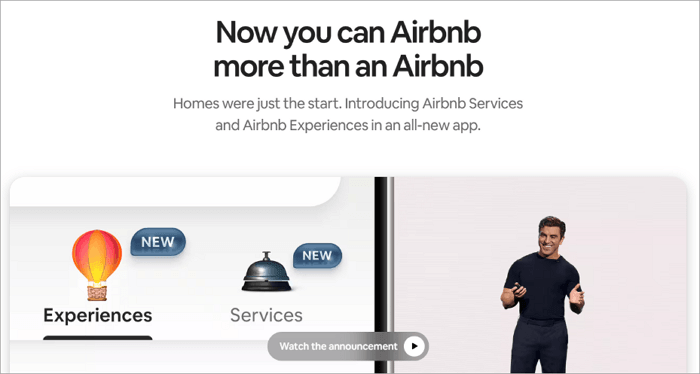
What makes it strong – throughout the deck, one clear idea resonates- “belonging.” Their mission, visuals, and tone all support it.
Takeaway: Find your one-word “soul” of the company and build everything around it. Your brand deck cannot include five competing themes!
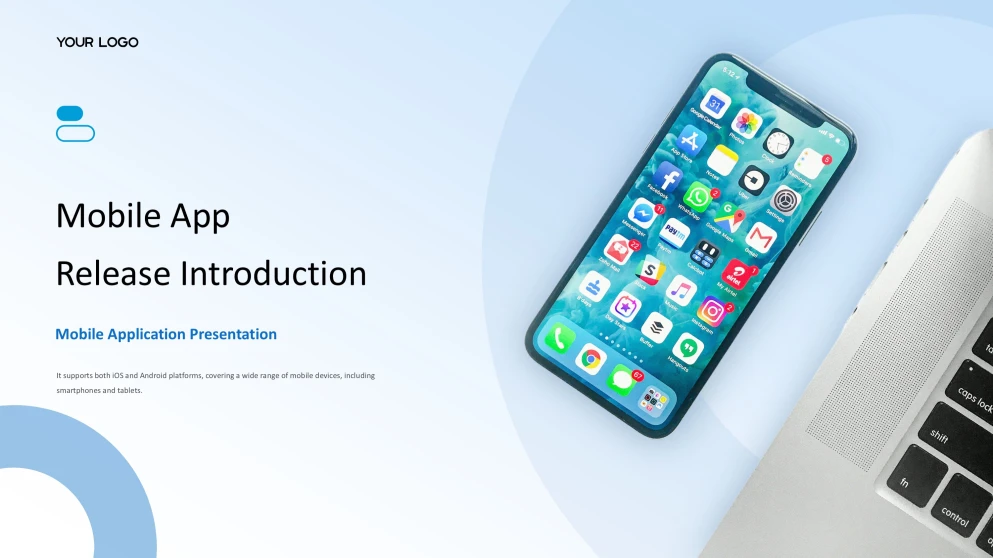
You can replicate the Airbnb deck using this light-blue business style template from AiPPT.com. The deck features a futuristic design, using white space and content blocks to keep the presentation clean.
2. Uber
After troubled waters in 2017-2018, Uber undertook a full rebrand, and the thinking behind it is instructive. The new brand deck addressed who they are becoming, and not just who they were.
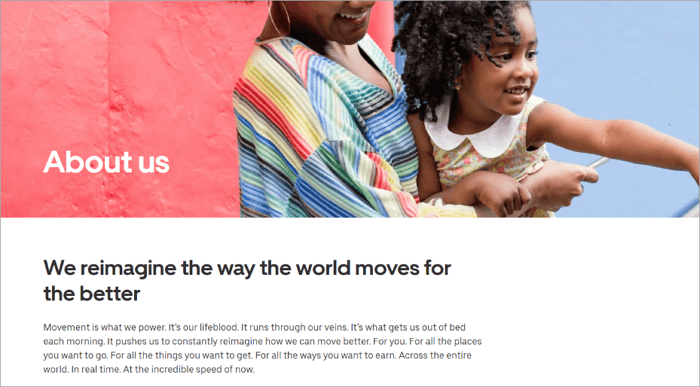
What makes it strong: The deck focused on one idea: Making transportation effortless. It was simple with minimal text and no clutter competing for attention.
Takeaway: Clarity beats complexity in a brand presentation.
Want to create similar magic fast? Go to AiPPT.com and edit the Free Airbnb deck template to suit your requirements. It’s modeled after the legendary Airbnb deck and is visually stunning.
3. Spotify
Spotify leans into personality with neon colors, bold typography, and high-contrast imagery. It’s so distinctive that most of us can recognize a Spotify ad even without seeing the logo. Every slide of their branding deck example reinforces the same tone.
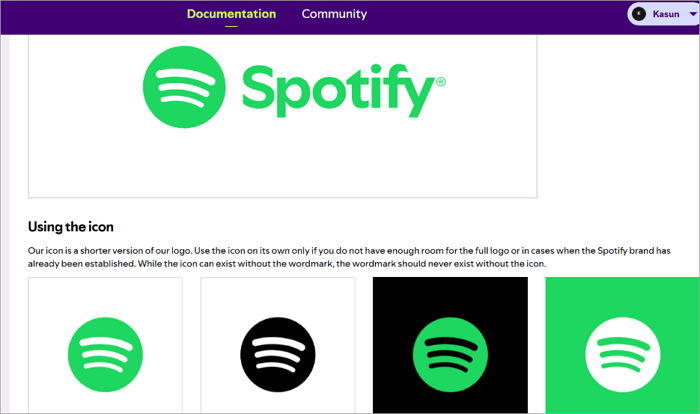
What makes it strong: They treat visuals as a brand differentiator. The choices are strategic- loud colors signal energy and youth while standing out in a market full of music apps.
Takeaway: Every visual should reflect the “ why”. If you can’t explain why you chose the color palette other than “ it looks good”, reconsider your choice.
Try customizing the Blue AI tech brand guide template from AiPPT.com to replicate Spotify for your company. The template features a blue color scheme and clean tech-inspired layouts. It’s fully editable.
4. Nike
Nike’s “Just Do It” is not just a slogan, but a strategic frame. Every element of their presentation flows from the core mission: to inspire and innovate for every athlete.
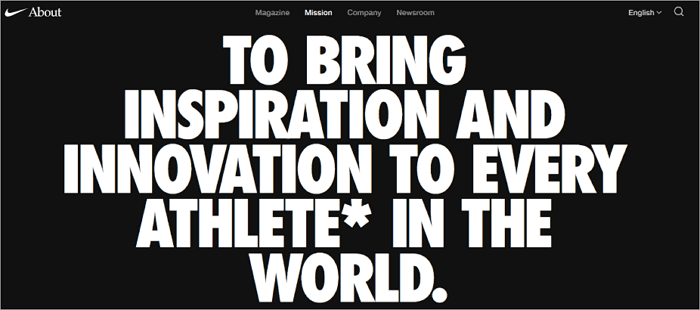
What makes it strong: Nike is mission-driven, which makes emotional connections easier. Did you notice the line “If you have a body, you are an athlete?”
Takeaway: Make your mission statement specific enough to rule things out.
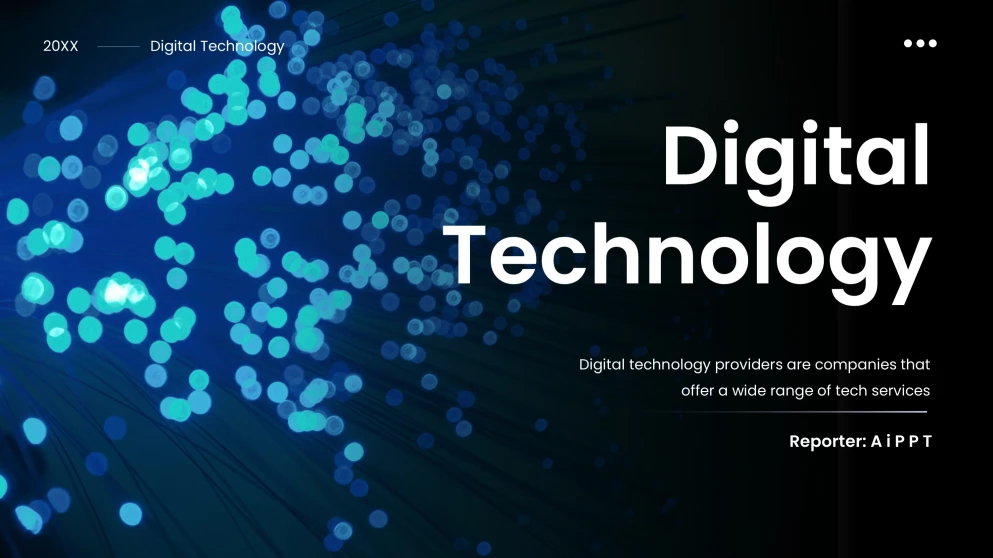
With the Free digital technology template from AiPPT.com, you can create a similar one to Nike above. The layout is sleek and professional, keeping a dark theme throughout.
5. Slack
Slack’s brand deck is one of the clearest brand documents out there. They have approached the matter differently, seeking clarity over cleverness. Their proposition “where work happens” is simple to the point of being obvious.
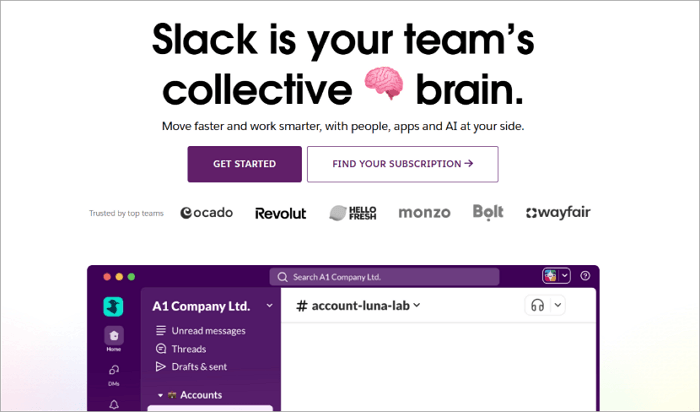
What makes it strong: Slack avoids abstract language and immediately describes product features – Workplace communications were messy and scattered.
Takeaway: Define the problem clearly, then present the brand solution.
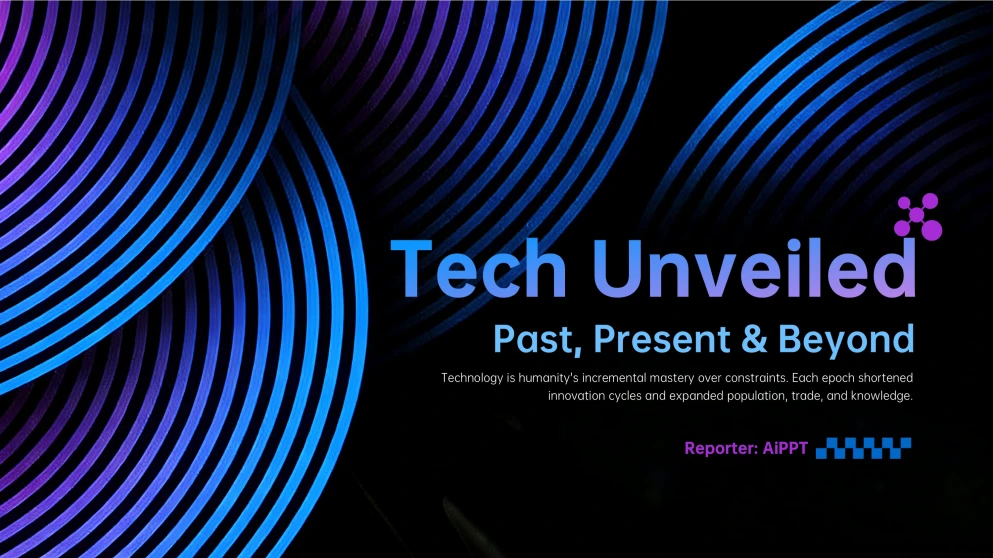
Want your company’s deck to look like Slack’s? Customize the Professional blue and Purple tech presentation template from AiPPT.com to get there faster!
How to Create a Brand Deck Using AI-Powered PPT Maker
You have seen some of the best brand decks in the market, and now it’s time to make one for your own company. To save time while still ensuring top quality, we suggest you use a professional tool like AI-powered AiPPT.com.
This tool offers a library of over 200,000 templates that you can customize with your brand details. For a more original and unique brand deck, the built-in Nano Banana image generator also lets you create any visuals using AI.
Let’s see the steps to make an engaging brand deck using AI:
Step 1. Go to AiPPT.com and sign in.
Step 2. Select Create from Topic from the next screen.

Step 3. Enter the prompt. You can describe your brand by its name, target audience, and positioning. Click enter. AiPPT.com will create a full deck structure, including mission, audience, positioning, and visual identity. Now, click on the “Select template” button to choose a suitable one.
📝 Go to AiPPT.com Template Library to get more options: >> Business PowerPoint & Presentation Templates

Step 4. Your presentation is ready. Fine-tune it by editing. Swap in your actual brand colors, and upload your company logo. You can share a live link or export as a PDF or PowerPoint.

Conclusion
A brand deck is not another nice document. It brings clarity to a company’s identity.
Brands that get it right, like Airbnb and similar companies we discussed above, just don’t look consistent. They think consistently. Their teams are aware of what the brand stands for without having to ask. The key to a brand deck is its structure: when a brand presentation follows a clear framework, it becomes persuasive.
If you are unsure how to get started, using a brand deck template can make the task easier. Tools like AiPPT.com allow teams to generate a draft deck fast and refine it as the brand evolves.
FAQs About Brand Presentations
Still have questions? Here are some issues many teams run into when creating a branding deck.
1. What Is a Suitable Brand Identity Presentation Structure?
A clear structure helps your market understand the brand logically. Most presentations follow a simple order.
Start with purpose (why you exist), then move to your audience (who you serve). Then positioning (how you differ), then personality (how you communicate), and finally visual identity (how you look). Starting with strategy and ending with design helps the presentation tell a coherent story.
2. How to create a great brand presentation?
Here is a simple, step-by-step guide that works well. Before proceeding with the brand presentation, you should research your audience, competitors, and your unique offering.
- Define the brand mission/positioning.
- Identify the target audience.
- Develop messaging pillars
- Create a visual identity.
- Organize everything into a structured brand deck. Colors, typography, and imagery should reflect the decisions you made in steps 1 to 4 above.
Using templates or AI tools can speed up the formatting stage considerably.
3. How to Fix Common Problems in a Branding Presentation?
Presentation feels generic: Replace any phrase like “ we are passionate about quality” that could apply to any company in your selected industry. Find something that only you can say.
It’s too long: It should have no more than 25 slides. If you are over 30, that means you are including execution details that belong in the guidelines but not in the strategy.
Nobody uses the Branding presentation: make it easy to navigate. Using shareable tools like AiPPT.com could make things easier for the team.
Its Outdated: Build an annual review trigger into your calendar. If your product, audience, or positioning shifts, the branding deck should adapt.