
For students, researchers & teams
Research Presentation Template + AI Generator
Create a polished research presentation in minutes. Start from a clear academic structure, then customize your research background, objectives, methodology, findings, conclusions, and next steps.Create research slides fast. Customize background, methodology, findings, conclusions, and references with AI.
Research Presentation Templates
Choose from editable research presentation templates for academic reports, proposal meetings, thesis-style decks, market research analysis, and evidence-based project presentations.



Connect the Research Question, Method, and Findings
How to create a research presentation
- 1Define your research question, audience, and presentation goal.
- 2Organize the deck around background, objectives, methodology, findings, and conclusions.
- 3Use AI to turn notes, data, references, and draft sections into clear slide copy.
- 4Add charts, visuals, citations, and evidence that support each key claim.
- 5Review the flow, simplify text-heavy slides, and export the final research deck.
Example sections in your research presentation
- Research title, context, and presenter information
- Problem statement, research question, or hypothesis
- Methodology, sample, data sources, and analysis approach
- Results, findings, charts, and interpretation
- Conclusion, recommendations, limitations, and references
Choose your research presentation format
Academic Research Findings Presentation
Best for presenting completed research with methods, results, interpretation, and conclusions.
Research Proposal Presentation
Use this format to explain your research problem, objectives, methodology, timeline, and expected contribution.
Market Research Presentation
Best for turning audience data, market trends, survey findings, and recommendations into a decision-ready deck.
Scientific Research Presentation
Use this structure to present a study question, experiment design, evidence, analysis, and scientific implications.
What to include in a research presentation
Use this slide-by-slide guide to structure a research presentation from background and objectives to methods, findings, interpretation, recommendations, and Q&A.

Slide 1: Research Presentation Cover
Slide 1 of 15What to include
- Research title
- Presenter name or team
- Course, department, or organization
- A visual that signals the research topic
Example
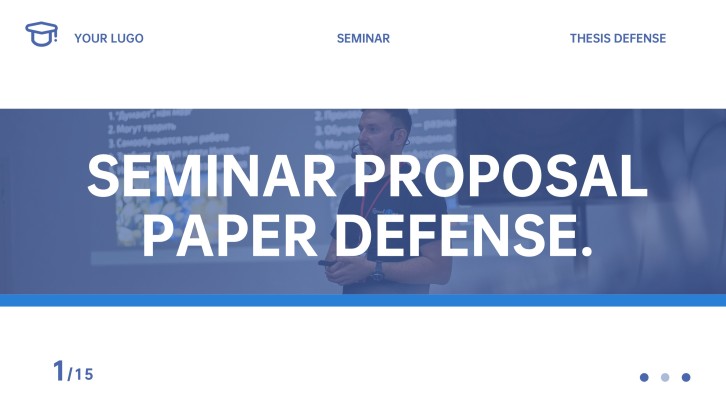
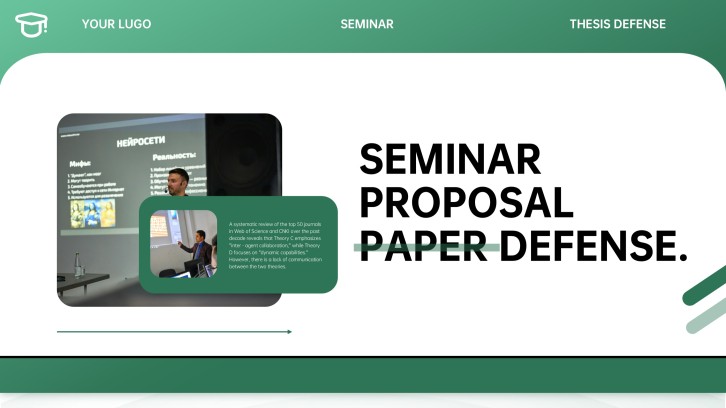
Urban Green Space and Student Well-Being, Maya Chen, Department of Public Health, Spring Research Seminar.
Example research presentation

Research Proposal Overview
Opening focus
Urban Green Space and Student Stress: A research presentation overview.
The project explores how campus outdoor spaces may support student well-being.
Prepared for a university research seminar.
Research Presentation Contents
Deck roadmap
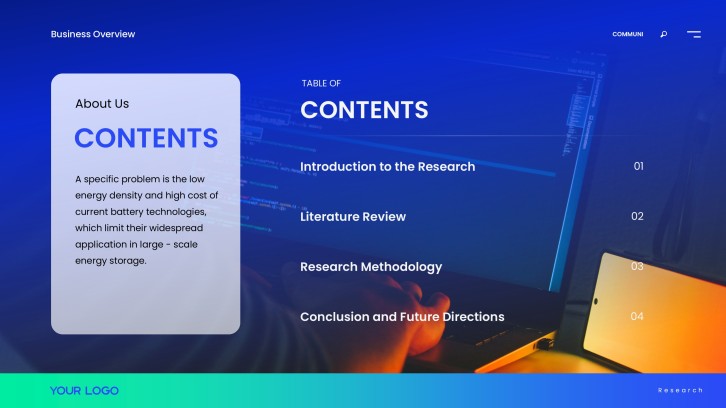
The presentation covers introduction, literature review, research methodology, conclusion, and future directions.
This gives reviewers a quick map before the details begin.

Introduction to the Research
Topic setup
The study starts by defining the issue: students need accessible ways to recover from academic stress.
Green space is introduced as a low-cost campus resource worth studying.
General Context of the Research Area
Problem context
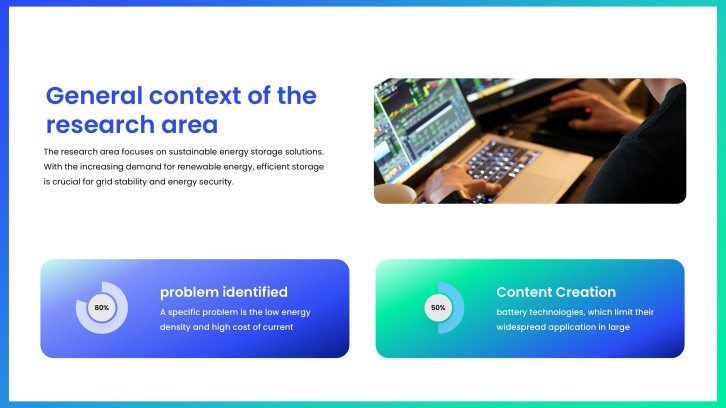
Recent student wellness conversations highlight stress, attention fatigue, and limited recovery time.
The slide explains why the topic matters beyond one class or department.
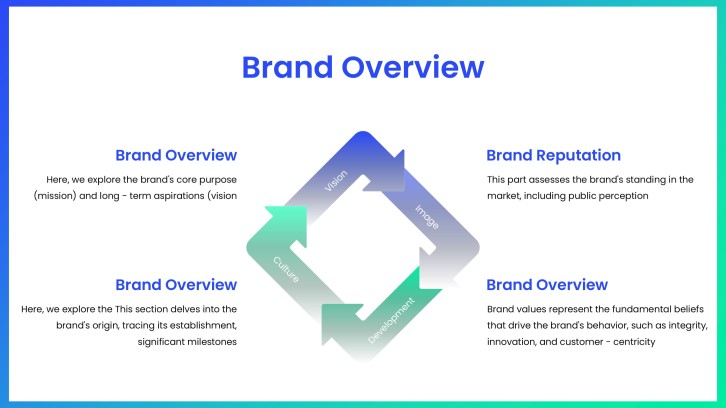
Study Overview
Study frame
The study compares reported stress levels with frequency of green-space use.
It frames the project as a practical campus well-being investigation.

Literature Review
Evidence base
Prior studies connect nature exposure with attention restoration, mood regulation, and social connection.
The review identifies where this project adds campus-specific evidence.
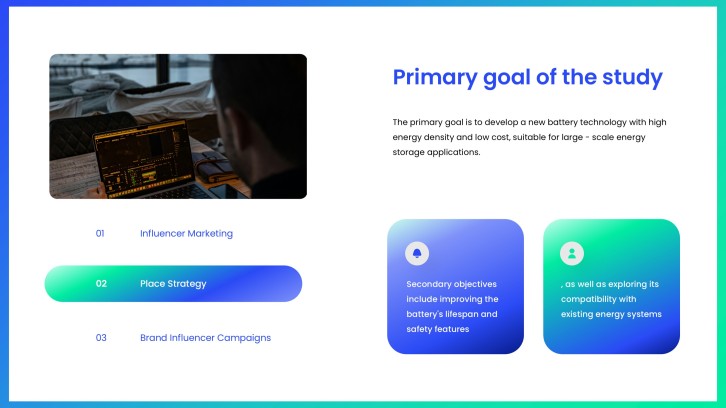
Primary Goal of the Study
Research goal
The primary goal is to test whether regular green-space use is associated with lower stress.
A secondary goal is to understand why students choose or avoid these areas.
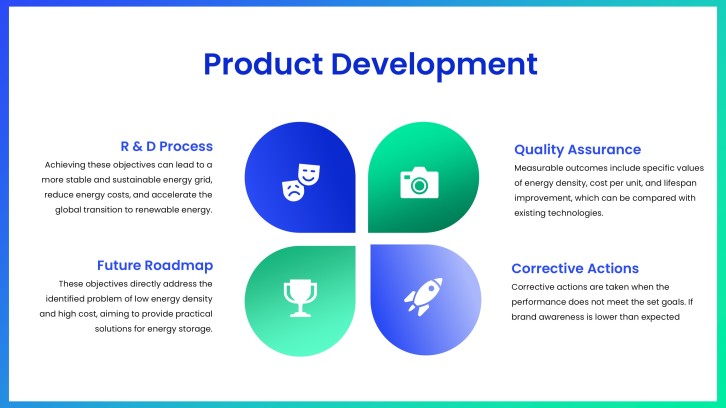
Research Development Plan
Work plan
The research plan includes survey design, interview prompts, data cleaning, and interpretation.
Each stage turns the broad question into evidence the audience can evaluate.

Research Methodology
Method section
The methodology combines a short survey, follow-up interviews, and simple usage observations.
This creates both numeric patterns and human context.
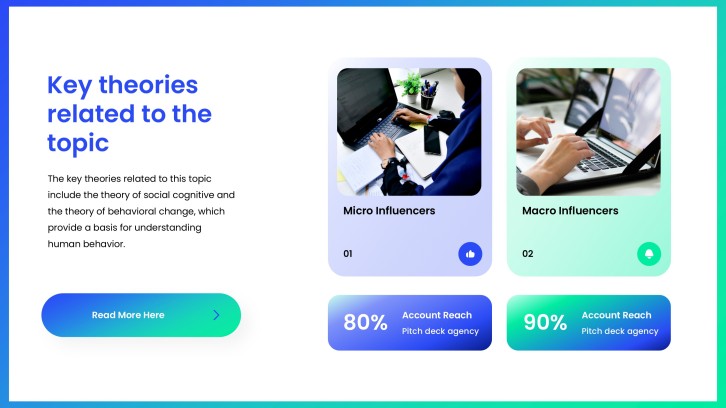
Key Theories Related to the Topic
Theory base
Attention restoration theory and stress recovery theory guide the interpretation.
The slide connects the study to established academic thinking.
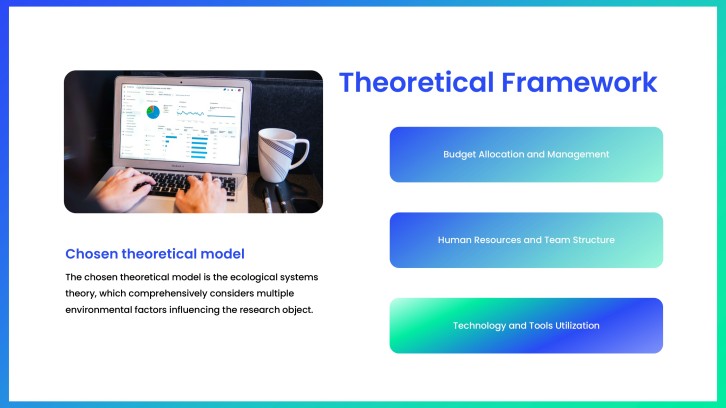
Theoretical Framework
Framework
The framework links green-space access, visit frequency, perceived recovery, and self-reported stress.
It helps the audience see how variables connect.

Conclusion and Future Directions
Closing direction
The conclusion summarizes likely implications for campus wellness planning.
Future directions include a larger sample and seasonal comparison.
Limitations of the Approach
Limitations
The study is limited by sample size, self-reported data, and a short observation window.
The presenter explains these limits without weakening the value of the findings.
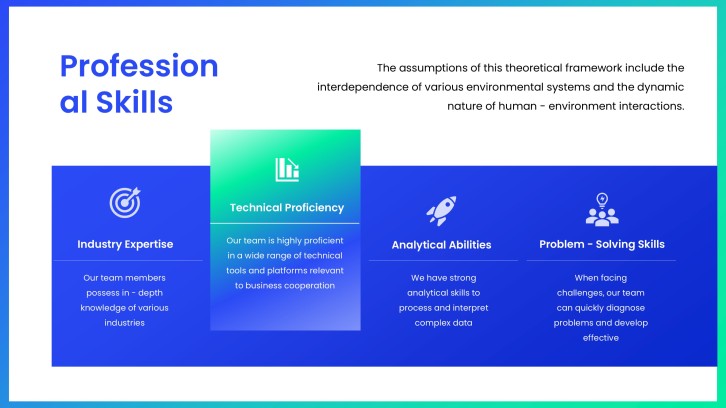
Research Skills and Strengths
Presenter strengths
Strong research presentations require clear analysis, careful visuals, and confident explanation.
This slide can also introduce the presenter’s role in data collection and interpretation.

Thank You
Final message
Thank you for listening.
Questions can focus on the method, findings, recommendations, or next research steps.
What makes a research presentation effective
- Start with a focused research question and explain why it matters.
- Connect every chart, method, and finding back to the main claim.
- Use concise slide text with clear visuals, labels, and evidence.
- End with practical implications, limitations, and credible next steps.
Common mistakes
- Presenting too much background before the audience understands the research goal.
- Showing charts without explaining the takeaway.
- Mixing methods, results, and conclusions in a confusing order.
- Ending without limitations, recommendations, or a clear Q&A prompt.
Frequently Asked Questions
What should a research presentation include?
How do I make a research presentation with AI?
How many slides should a research presentation have?
What is a good research presentation example?
How do I present research findings clearly?
Can I use a research presentation template for PowerPoint?
Generate your research presentation now
Create a research presentation with AI, then customize the background, methodology, findings, charts, conclusions, and recommendations for your audience.