For agile teams, projects & workshops

Retrospective Presentation Template + AI Generator

Create a team-ready retrospective presentation in minutes. Start with a proven reflection structure, then customize wins, challenges, lessons learned, root causes, team signals, and accountable action items.Create a retrospective deck in minutes. Customize wins, challenges, lessons, root causes, and action items with AI.
Browse Templates
Team retrospectivesProcess reflectionAction planning
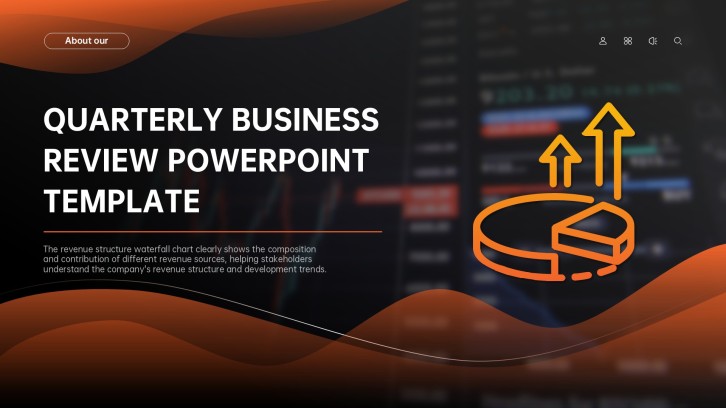
Project Management Monthly Report PPT
Retrospective-ready slide flow
AI-assisted reflection copy
Editable project templates
Export to PowerPoint

Related retrospective resources

How to create a retrospective presentation

  1. Define the retrospective scope, participants, timeframe, and improvement question.
  2. Gather outcomes, team observations, workflow signals, blockers, and prior actions.
  3. Generate a first draft with AI or select a retrospective template.
  4. Group evidence into wins, challenges, lessons, causes, and improvement ideas.
  5. Confirm action owners and dates, then review and export the deck.

Example sections in your retrospective presentation

  • Context, objective, and working agreement
  • What went well with evidence
  • What did not go well
  • Lessons and root-cause themes
  • Action items, owners, and due dates

Choose your retrospective presentation format

Two-Week SaaS Team Retrospective

Applicable to:

Product teamsScrum teamsSaaS releases

Generate a balanced retrospective covering outcomes, wins, friction points, lessons, root causes, and next actions.

Project Retrospective With Business Outcomes

Applicable to:

Leadership updatesPortfolio reviewsSteering groups

Connect project outcomes to collaboration patterns, risks, customer value, lessons, and improvements leaders can support.

Technical Delivery Retrospective

Applicable to:

Engineering teamsPlatform workArchitecture updates

Examine technical outcomes, quality indicators, dependencies, recurring friction, root causes, and follow-up engineering improvements.

Remote Team Retrospective Workshop

Applicable to:

Distributed teamsDistributed squadsImprovement sessions

Build an interactive retrospective that frames outcomes, prompts honest reflection, clusters themes, and confirms owned improvement actions.

Example retrospective presentation

What makes a retrospective presentation effective

  • Ground wins and challenges in specific events, team observations, and measurable signals.
  • Create enough psychological safety for honest reflection without assigning personal blame.
  • Trace important problems to contributing conditions before proposing solutions.
  • End with one to three actions, each with an owner, due date, and success measure.

Common mistakes

  • Turning the retrospective into a status report about completed tickets.
  • Treating opinions as facts without examples, timelines, or supporting team signals.
  • Naming people as problems instead of examining systems, constraints, and working agreements.
  • Collecting many ideas but leaving without prioritized, owned improvement actions.

Frequently Asked Questions

Include the context, objective, what went well, what did not, lessons, root causes, and prioritized action items. Add owners, due dates, and a success measure so the team can follow through.
Most teams can cover a retrospective in 6 to 10 core slides. Use additional slides only when a longer project, multiple workstreams, or deeper evidence requires them.
A sprint review examines the product increment with stakeholders and gathers product feedback. A retrospective is usually internal and focuses on how the team worked, what it learned, and how its process should improve.
Describe observable events, their impact, and the conditions that contributed to them. Use neutral language, invite multiple perspectives, and turn systemic causes into experiments the team can own together.
Yes. Provide the timeframe, team context, wins, challenges, evidence, themes, and action ideas so an AI retrospective presentation generator can structure a first draft. Verify facts and revise sensitive wording with the team.
A strong example follows one coherent project or iteration from context through wins, challenges, lessons, root causes, and owned actions. It uses concrete evidence while leaving room for team discussion.
AI Presentation Maker

Generate your retrospective presentation now

Turn team outcomes, wins, challenges, lessons, root causes, and action items into a clear retrospective presentation with AI.