For startups, founders & investors

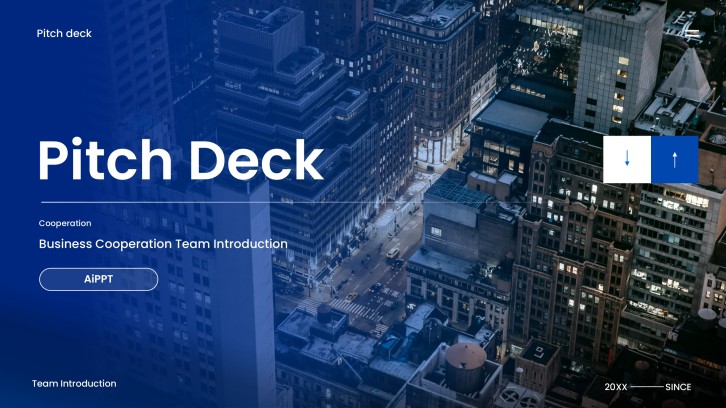
Pitch Deck Template + AI Generator

Create an investor-ready pitch deck in minutes. Start from a proven startup structure, then customize your problem, solution, market opportunity, business model, traction, team, and funding ask.Create a professional pitch deck in minutes. Customize your problem, market, traction, team, and funding ask with AI.

Browse Templates
Startup fundraisingInvestor meetingsDemo day pitches
Startup on AI Pitch Deck
Investor-ready slide flow
AI-assisted pitch copy
Editable pitch templates
Export to PowerPoint

Related pitch deck resources

How to create a pitch deck

  1. Define the investor audience, funding stage, meeting context, and single decision you want the deck to support.
  2. Outline the problem, solution, market, business model, traction, competitive edge, team, financial logic, and funding ask.
  3. Generate a first pitch presentation deck with AI or choose a template whose slide flow fits your fundraising story.
  4. Replace generic copy with validated numbers, customer evidence, clear charts, product visuals, and a consistent professional pitch deck design.
  5. Rehearse the narrative, remove unnecessary detail, verify every claim, and export a presentation-ready PowerPoint for your meeting.

Example sections in your pitch deck

  • A specific customer problem supported by evidence
  • A differentiated solution and product demonstration
  • Market size, target segment, and competitive position
  • Traction, business model, and go-to-market plan
  • Team credibility, financial outlook, and funding ask

Choose your pitch deck format

Seed-Stage Startup Pitch Deck

Applicable to:

Pre-seed fundraisingSeed investor meetingsAccelerator demo days

Best for explaining an early problem, credible solution, market insight, founding team, milestones, and initial funding ask.

SaaS Investor Pitch Deck

Applicable to:

B2B SaaSSubscription productsGrowth-stage fundraising

Use this format to present recurring revenue, customer economics, product differentiation, retention, pipeline, and scalable growth.

Product Pitch Presentation Deck

Applicable to:

Product launchesInternal approvalsStrategic partnerships

Build a product-centered story around user needs, key capabilities, proof points, rollout plans, and commercial opportunity.

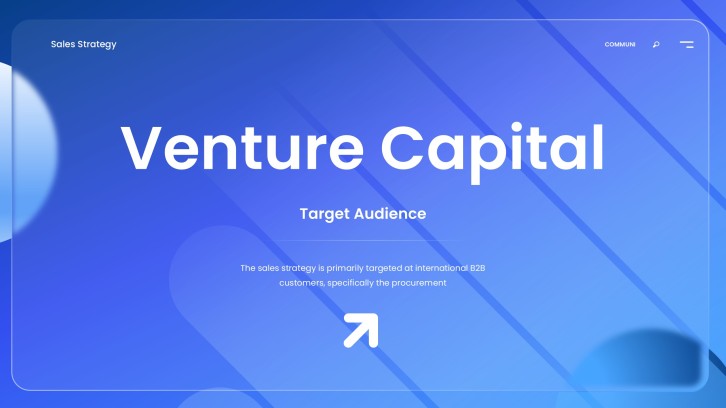
Venture Capital Pitch Deck

Applicable to:

Institutional investorsSeries A meetingsPartner presentations

Present market scale, defensibility, traction, unit economics, expansion strategy, team strength, and the investment opportunity.

Example pitch deck

What makes a pitch deck effective

  • The narrative makes the customer problem, solution, market, traction, and funding logic easy to follow.
  • Claims are supported by labeled sources, customer evidence, defensible assumptions, and readable charts.
  • Every slide advances one investor question and uses a clear headline that communicates the takeaway.
  • The funding ask connects a specific amount to milestones, timing, and measurable business progress.

Common mistakes

  • Opening with a long company history before establishing a painful, valuable customer problem.
  • Filling pitch deck slides with tiny text, unexplained charts, or decorative visuals that hide the argument.
  • Presenting a large market number without defining the reachable segment, buyer, or acquisition path.
  • Asking for funding without explaining allocation, runway, milestone targets, or the next investor action.

Frequently Asked Questions

A pitch deck is a concise presentation used to explain a company, product, or opportunity to investors or other decision-makers. It typically combines the problem, solution, market, business model, traction, team, and ask into one coherent story.
A strong pitch deck structure usually covers the problem, solution, product, target market, competition, business model, traction, go-to-market plan, team, financial outlook, and funding ask. Adjust the order and emphasis for your stage and audience.
Many investor decks work well at roughly 10 to 15 core slides, but clarity matters more than a fixed count. Keep each slide focused on one question and move supporting detail into an appendix when necessary.
Use a simple narrative: why the problem matters, why your solution wins, why the market is attractive, why your team can execute, and what the investment enables. A professional pitch deck should make key numbers and next steps easy to find.
Use one message per slide, large readable type, consistent spacing, and charts that highlight a specific takeaway. Match the visual hierarchy to the spoken pitch and keep branding consistent across the full deck.
Yes. AiPPT can turn a prompt or source content into a structured pitch presentation deck and provide templates to refine the design. You should still verify claims, replace assumptions with real evidence, and tailor the deck to each investor audience.
AI Presentation Maker

Generate your pitch deck now

Turn your idea, business evidence, and funding story into a structured pitch deck with AI and an editable presentation template.