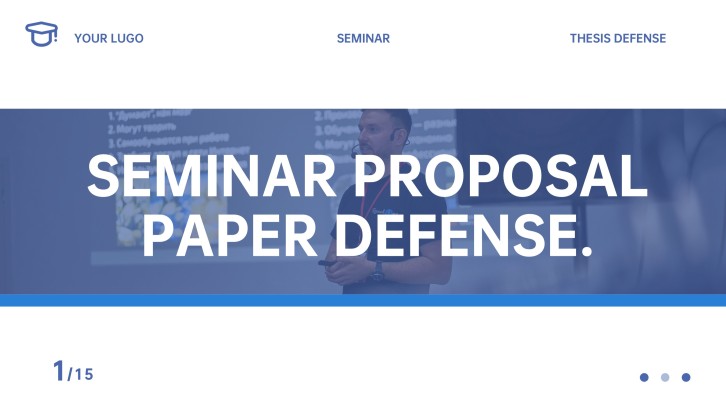
For students, researchers & academics

Literature Review Presentation Template + AI Generator

Create a structured literature review presentation in minutes. Use the AI literature review presentation generator to turn sources into clear themes, theory comparisons, evidence patterns, research gaps, and academic conclusions.Build a literature review PPT with organized themes, evidence comparisons, research gaps, and clear conclusions.

Browse Templates
Thesis literature reviewsResearch synthesis slidesAcademic seminar decks
Bachelor Thesis Presentation
Research-ready slide flow
AI-assisted synthesis copy
Editable academic templates
Export your literature review PowerPoint

Related literature review presentation resources

How to create a literature review presentation

  1. Define the review question, audience, boundaries, and central argument before selecting slide sections.
  2. Group credible sources into themes, theories, methods, findings, agreements, contradictions, and research gaps.
  3. Use AI to generate a literature review PPT outline from your synthesis notes and citations.
  4. Replace generic text with accurate evidence, concise comparisons, readable visuals, and consistent citation details.
  5. Check source fidelity, narrative flow, slide density, references, and timing before exporting your presentation.

Example sections in your literature review presentation

  • Review question, scope, databases, date range, and source-selection criteria
  • Concept definitions and theoretical frameworks used across the reviewed literature
  • Thematic synthesis of agreements, contradictions, methods, and evidence quality
  • Research gaps, underrepresented populations, methodological weaknesses, and unresolved debates
  • Conclusions, implications, future research priorities, and complete references

Choose your literature review presentation format

Thematic Literature Review

Applicable to:

Thesis chaptersQualitative synthesisInterdisciplinary topics

Organize sources by recurring themes, compare interpretations, and show how each theme answers the review question.

Systematic Review Overview

Applicable to:

Evidence screeningHealth researchPolicy reviews

Present search criteria, screening stages, study characteristics, evidence patterns, limitations, and a transparent review conclusion.

Theory Comparison Review

Applicable to:

Conceptual papersSocial sciencesEducation research

Compare theoretical assumptions, constructs, explanatory strengths, limitations, and applications across major scholarly perspectives.

Chronological Research Review

Applicable to:

Historical developmentEmerging fieldsTechnology studies

Trace how questions, methods, findings, and debates evolved across periods and identify the field's next direction.

Literature review presentation example

What makes a literature review presentation effective

  • Organizes sources into an argument-driven synthesis instead of summarizing one study per slide
  • Defines the review question, scope, selection approach, and evidence boundaries clearly
  • Uses comparison tables, frameworks, and evidence patterns to make relationships visible
  • Connects conclusions and research gaps directly to the reviewed evidence

Common mistakes

  • Listing article summaries without comparing agreements, contradictions, methods, or quality
  • Overloading slides with quotations, citations, and paragraphs that audiences cannot process
  • Claiming consensus while ignoring weak evidence, conflicting findings, or underrepresented populations
  • Adding generic future-research suggestions that do not follow from identified limitations

Frequently Asked Questions

Include the review question, scope, search or selection approach, major themes, theory comparisons, evidence patterns, limitations, research gaps, conclusions, and references. The presentation should synthesize relationships across sources instead of summarizing each article separately.
Many academic literature review presentations work well with 10–15 slides, but the appropriate length depends on your time limit and evidence volume. Prioritize a clear argument and readable synthesis over covering every source.
Start by grouping sources into themes, theories, methods, agreements, contradictions, and gaps. Convert those relationships into section slides, comparison visuals, a synthesis framework, and a concise evidence-based conclusion.
AiPPT can help turn prompts or organized notes into a structured literature review slide deck. You should still verify every claim, citation, interpretation, and source detail before presenting academic work.
An article-summary presentation reports studies individually. A literature review presentation compares sources to explain shared themes, competing findings, theoretical relationships, evidence quality, and unanswered questions.
Use a consistent short citation style on relevant slides and include complete references at the end. Keep citations readable, match them to specific claims, and follow your institution's required style.
AI Presentation Maker

Generate your literature review presentation now

Turn your research notes and synthesis into a clear, editable literature review presentation with AI.