For teams, facilitators & educators

Conflict Resolution Workshop Template + AI Generator

Create a conflict resolution workshop in minutes with AI. Start with a practical structure, then customize conflict styles, listening, de-escalation, feedback, negotiation, mediation practice, and resolution plans.Build a conflict resolution workshop with listening, de-escalation, negotiation, mediation practice, and action planning.
Browse Templates
Conflict awarenessMediation practiceResolution planning
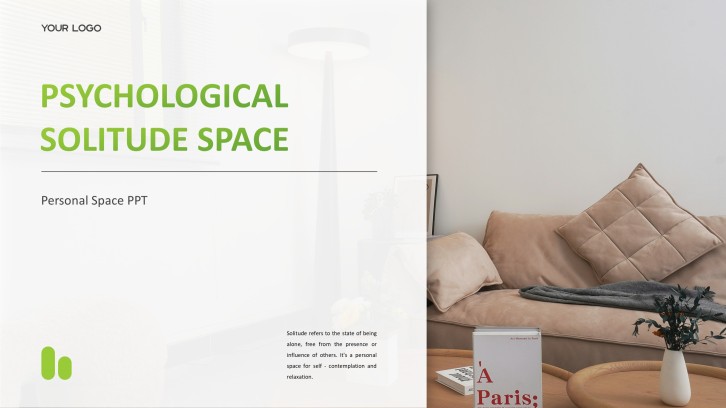
Respect Personal Space Workshop PPT
Conflict-ready workshop flow
AI-assisted activity copy
Editable mediation templates
PowerPoint export

Related conflict resolution, communication, and facilitation resources

How to run a conflict resolution workshop

  1. Define the team context, relationship or performance challenge, desired behaviors, session length, and signs of improvement.
  2. Build a flow from psychological safety and communication to collaboration, problem-solving, feedback, and shared commitments.
  3. Generate the conflict resolution workshop slides with AI, then replace generic prompts with realistic team situations.
  4. Add a low-pressure warm-up, paired practice, group challenge, observer criteria, and a facilitated debrief.
  5. End with specific team norms, owners, work-based practice opportunities, and a follow-up review date.

Example sections in a conflict resolution workshop presentation

  • Team purpose, outcomes, and participation agreements
  • Communication strengths, barriers, and listening practice
  • Collaborative problem-solving challenge with rotating roles
  • Constructive feedback, conflict, and decision-making exercise
  • Team norms, personal commitments, and follow-up measures

Choose your conflict resolution workshop format

New Team Kickoff Workshop

Applicable to:

Newly formed teamsProject kickoffsCross-functional groups

Clarify shared purpose, roles, working preferences, communication channels, decision rules, and first team commitments.

Workplace Conflict Resolution Workshop

Applicable to:

Workplace teamsStudent groupsVolunteer teams

Practice active listening, questions, participation, feedback, nonverbal cues, conflict repair, and clear decision closure.

Negotiation and Mediation Lab

Applicable to:

Leadership offsitesInnovation teamsOperational groups

Use a realistic challenge to develop role clarity, evidence sharing, option evaluation, consensus, and accountable execution.

Team Conflict Reset Workshop

Applicable to:

Teams after changeHybrid teamsGroups with friction

Surface obstacles safely, revisit working agreements, rebuild trust, improve meeting habits, and create a measurable reset plan.

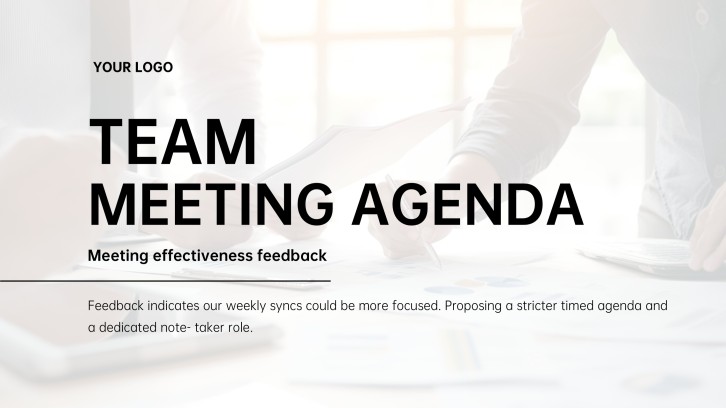
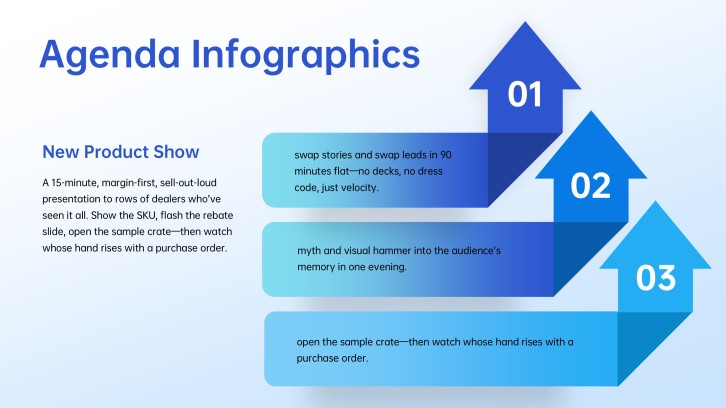
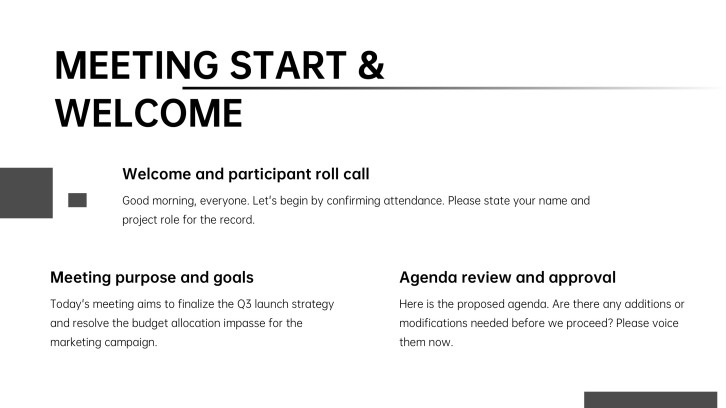
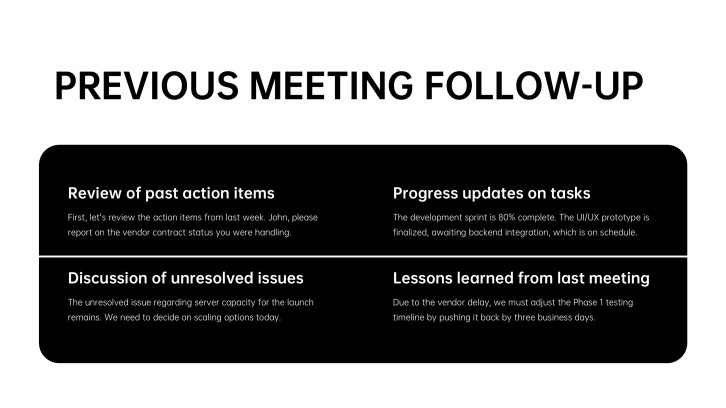
Conflict resolution workshop example: Northstar conflict mediation

What makes a conflict resolution workshop effective

  • It connects every activity to a real team behavior, challenge, decision, or working relationship.
  • It gives all participants structured ways to contribute, observe, reflect, receive feedback, and try again.
  • It creates psychological safety through clear boundaries, participation choices, respectful facilitation, and nonjudgmental debriefs.
  • It ends with observable team norms, individual commitments, owners, measures, and a scheduled follow-up.

Common mistakes

  • Using entertaining games that have no connection to the team’s actual work or collaboration challenges.
  • Forcing personal disclosure, physical contact, competition, or public role play without meaningful choice.
  • Allowing dominant voices to control activities while overlooking quiet, remote, junior, or differently processing participants.
  • Ending with positive feelings alone instead of converting insights into specific behaviors and workplace follow-through.

Frequently Asked Questions

A conflict resolution workshop is a facilitated session where a group practices communication, trust, collaboration, problem-solving, feedback, decision-making, and shared accountability through structured activities and reflection.
Include workshop outcomes, participation agreements, a warm-up, communication practice, a collaborative challenge, observer criteria, a facilitated debrief, team norms, individual commitments, and a follow-up plan.
Start with the team’s real challenge and desired behaviors. Then adapt the agenda, examples, activities, timing, group size, accessibility, debrief questions, and action plan to that context.
For a 60- to 90-minute workshop, 10 to 15 slides are usually enough because activities and debriefs need time. A half-day session may use 15 to 25 slides with multiple practice rounds.
Yes. AiPPT can draft a conflict resolution training PPT from your audience, goals, duration, conflict settings, and preferred activities. Review the output for psychological safety, neutrality, accessibility, timing, and realistic examples.
Useful activities include listening pairs, role mapping, communication-channel audits, collaborative problem-solving, decision simulations, feedback practice, team-norm design, and project retrospectives.
Give the AI your team type, common collaboration problems, group size, session length, desired behaviors, and one realistic case. Then customize the language, activities, measures, and action plan.
AI Presentation Maker

Generate your conflict resolution workshop now

Create a conflict workshop deck with AI, then customize goals, communication activities, group challenges, feedback prompts, reflection, team norms, and follow-up actions.