
For teachers, schools & classrooms
Classroom Management Presentation Template + AI Generator
Create a classroom management presentation in minutes. Start from a clear classroom rules and routine structure, then customize expectations, procedures, behavior guidelines, participation norms, consequences, rewards, and family communication.Create classroom management slides fast. Customize expectations, routines, behavior guidelines, consequences, and rewards with AI.
Classroom Management Presentation Templates
Choose from editable classroom management presentation templates for teachers, back-to-school lessons, classroom routines, behavior expectations, student agreements, and parent communication.

How to create a classroom management presentation
How to create a classroom management presentation
- 1Define the grade level, classroom setting, and behavior goals before writing your classroom management slides.
- 2List the routines students need most, such as entry, transitions, group work, technology use, assignments, and dismissal.
- 3Use AI to turn your notes into a clear classroom management presentation outline with sections, slide titles, and teacher-friendly wording.
- 4Add examples, visuals, student scenarios, consequences, rewards, and family communication points so the rules feel practical.
- 5Review the tone, make the language age-appropriate, and export the deck for class introduction, parent night, or teacher planning.
Example sections in your classroom management presentation
- Classroom expectations and why they matter
- Daily routines for arrival, transitions, materials, and dismissal
- Participation norms for discussion, group work, and independent tasks
- Positive reinforcement, consequences, and restorative next steps
- Communication routines for students, families, and support staff
Choose your classroom management presentation format
Elementary Classroom Management Presentation
Best for introducing simple rules, visual routines, classroom jobs, rewards, and positive behavior examples for younger students.
Middle School Classroom Management Slides
Use this format to explain expectations for discussion, hallway movement, devices, group work, missing assignments, and respectful independence.
Parent Teacher Conference Classroom Management Presentation
Helpful for showing classroom expectations, student progress, behavior patterns, intervention steps, and shared support goals with parents.
New Teacher Classroom Procedures Deck
Best for documenting procedures, classroom systems, emergency routines, student support steps, and consistent expectations across the school year.
What to include in a classroom management presentation
Use this slide-by-slide guide to turn classroom expectations, routines, behavior supports, digital citizenship, assignments, and time management into a clear teacher-ready deck.
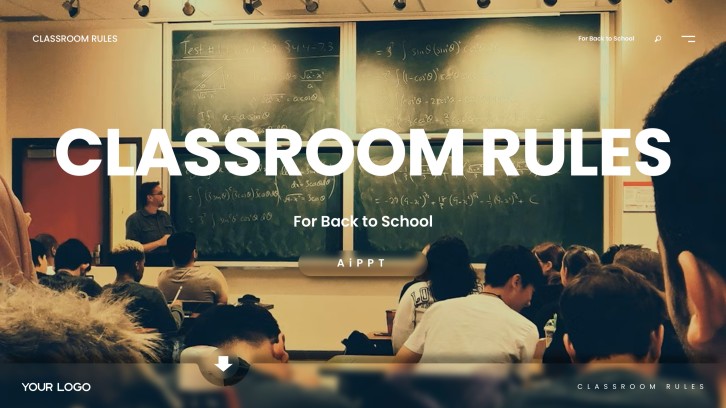
Slide 1: Classroom Rules Welcome
Slide 1 of 15What to include
- Class name and teacher name
- Main classroom management theme
- Short welcome message
- What students will learn from the deck
Example
Welcome to our classroom. Today we will review the expectations, routines, and behavior guidelines that help everyone learn safely, respectfully, and confidently.
Example classroom management presentation
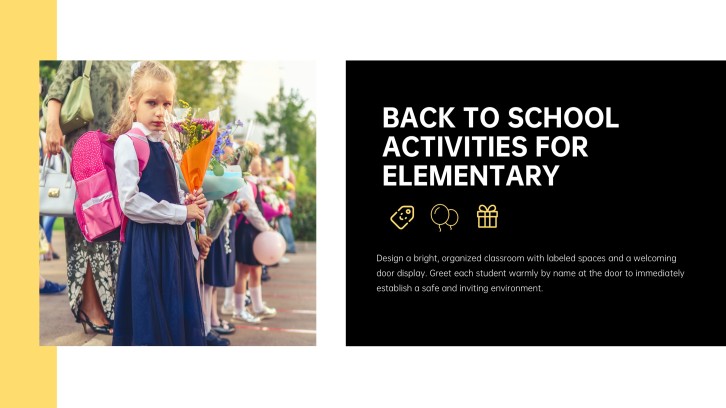
Classroom Management Welcome
Opening purpose
Welcome to our classroom management plan. This deck explains how we will create a safe, organized, respectful classroom where students know what to do, how to participate, and how to get support.
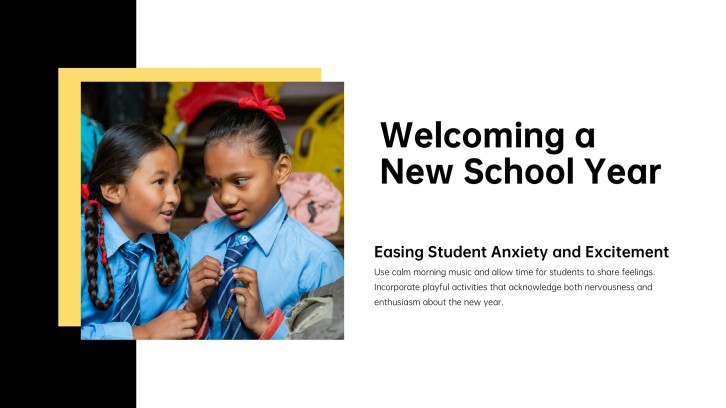
Start the Year with Clear Routines
First-week tone
We will begin the year by practicing routines, learning names, reviewing class expectations, and reducing first-week uncertainty so students feel ready to participate.
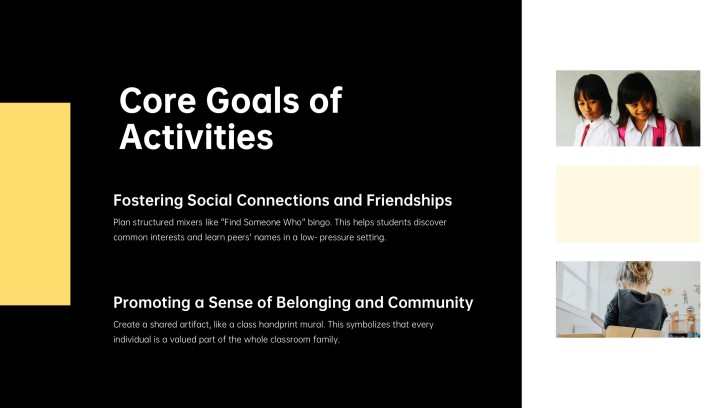
Management Goals
Classroom outcomes
Our goals are to build belonging, support responsible choices, keep learning time productive, and make expectations easy to understand and repeat.
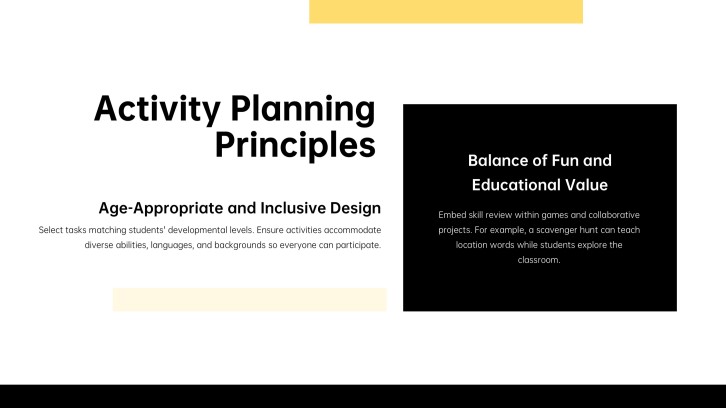
Procedure Planning Principles
Routine design
Each procedure should be age-appropriate, inclusive, short enough to practice, and connected to a clear reason students can understand.
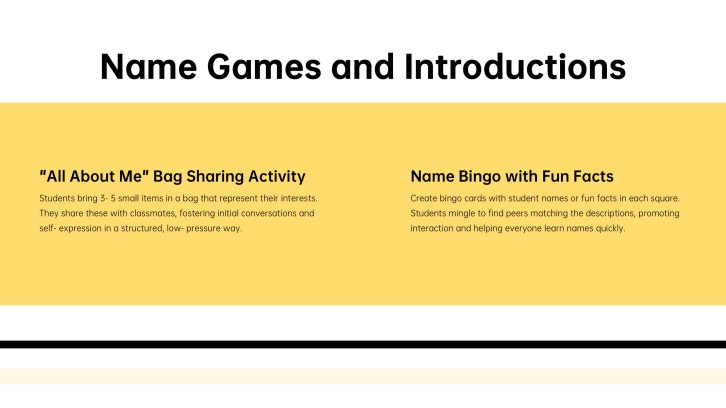
Name Games and Relationship Building
Connection routine
Students introduce themselves with a simple prompt, practice listening, and learn how respectful attention helps everyone feel known.
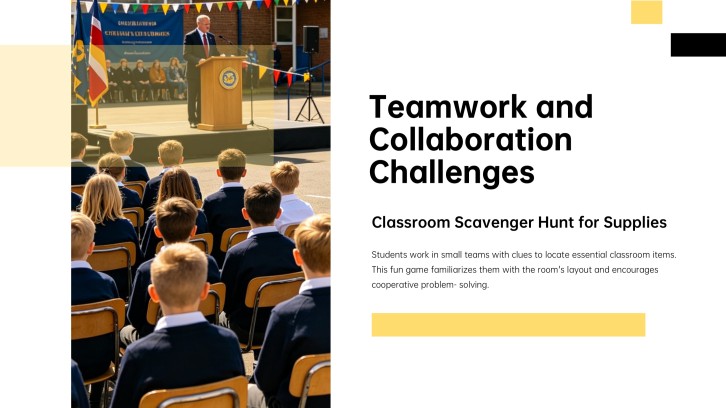
Teamwork Expectations
Group work norms
Group work requires clear roles, shared supplies, calm voices, active listening, and a routine for asking the teacher for help when the group is stuck.
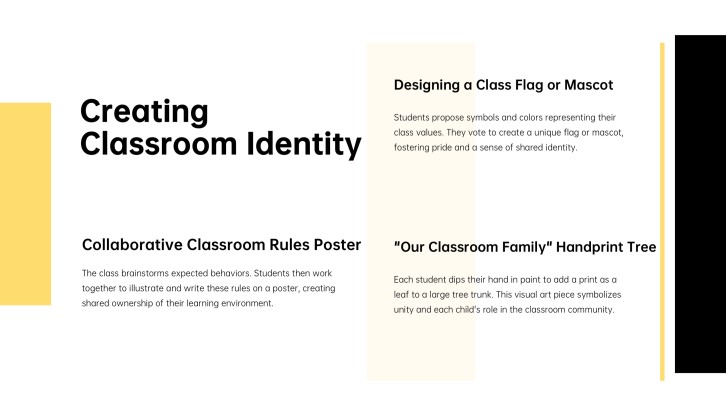
Creating Classroom Identity
Shared culture
The class creates a motto and shared behavior agreements so students understand that classroom culture is something they help build every day.
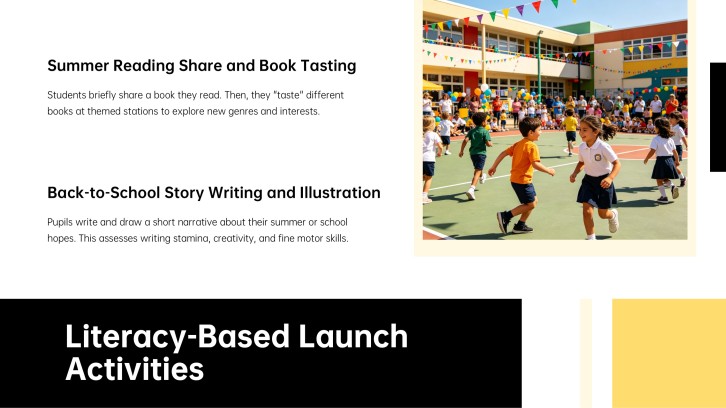
Reading and Writing Routines
Academic procedure
Students learn where to find materials, how to start independent reading, how to respond in writing, and what to do when they finish early.
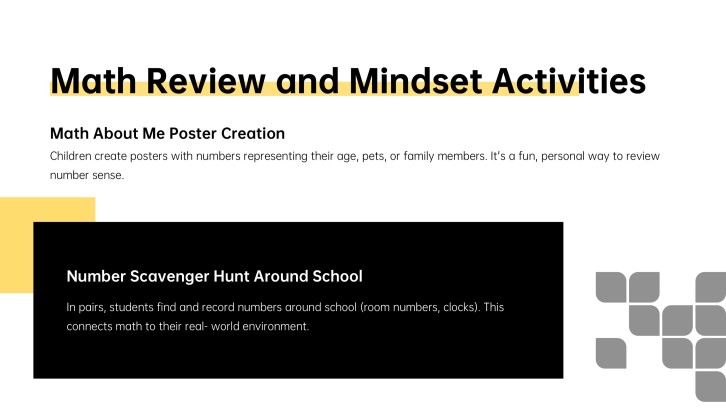
Math Review and Productive Struggle
Learning behavior
Students practice trying a strategy, showing work, using respectful help language, and staying with a task before asking for the answer.
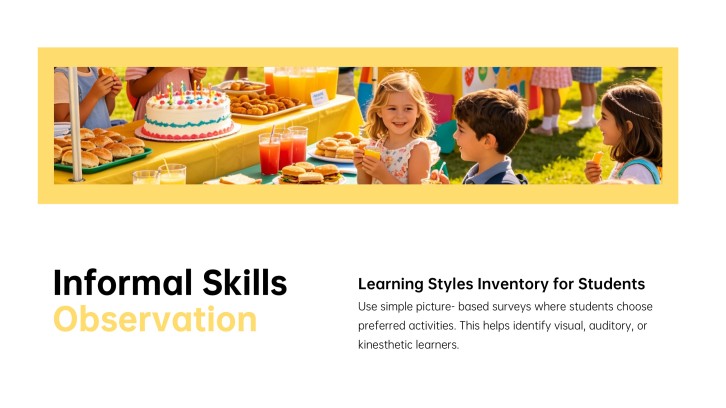
Observe Skills and Behavior
Teacher notes
The teacher observes collaboration, independence, organization, and communication during early activities to identify who may need extra support.
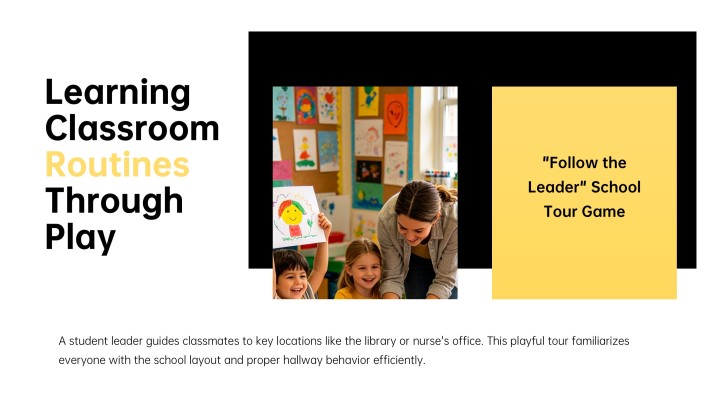
Learn the Classroom Roadmap
Room navigation
Students use a guided classroom tour to learn where supplies, turn-in trays, reading areas, technology, and help resources are located.
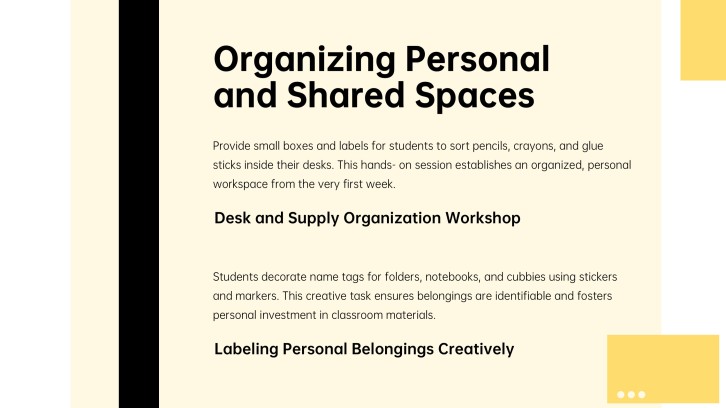
Organizing Personal and Shared Spaces
Materials system
Students learn where personal materials go, how to use shared supplies, how to clean up, and how to respect another student's workspace.
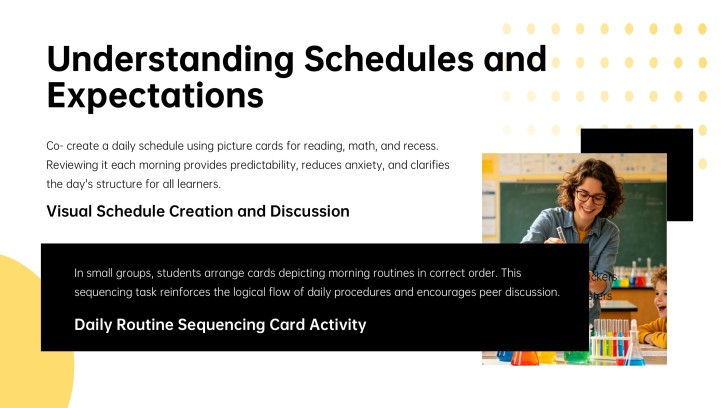
Schedules and Expectations
Daily flow
The class reviews the daily schedule, transition signals, small-group rotation expectations, and what students should do when the plan changes.
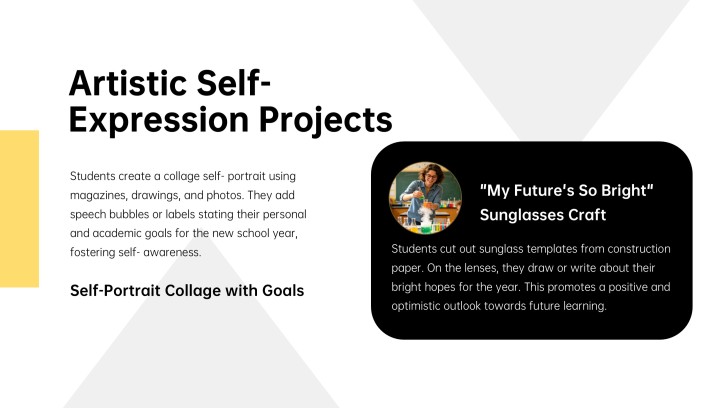
Student Voice and Reflection
Personal ownership
Students create a short reflection on the classroom they want to help build, including one strength, one goal, and one way they can support classmates.
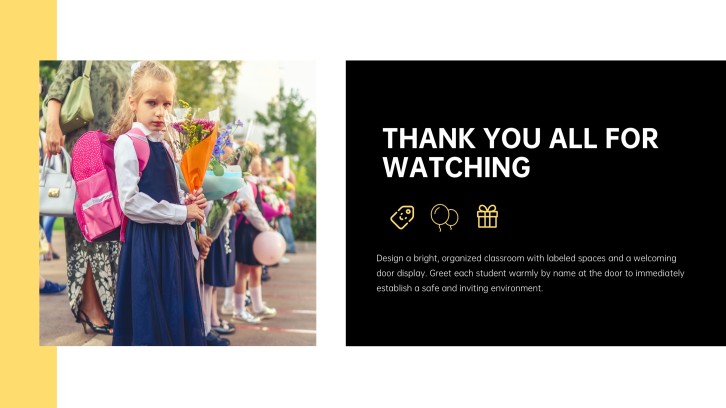
Thank You and Next Steps
Closing action
Thank you for helping create a strong classroom. Our next step is to practice each routine, reflect on what works, and adjust our plan together.
What makes a classroom management presentation effective
- Start with a positive classroom vision before listing rules.
- Explain routines with specific examples students can picture and practice.
- Keep expectations consistent across behavior, materials, technology, and group work.
- Include support steps, not only consequences, so students know how to recover from mistakes.
Common mistakes
- Writing too many rules without explaining what they look like in real classroom moments.
- Making the tone too strict, negative, or adult-centered for the student audience.
- Forgetting daily procedures such as transitions, supplies, devices, and finished-work routines.
- Leaving out parent communication, reflection, rewards, or follow-up steps.
Frequently Asked Questions
What is a classroom management presentation?
What should I include in a classroom management presentation?
How many slides should a classroom management presentation have?
Can I use a classroom management presentation for parent teacher conferences?
What is the difference between classroom rules and classroom management?
Can AI generate a classroom management presentation?
Generate your classroom management presentation now
Create a classroom management presentation with AI, then customize the expectations, routines, behavior examples, support steps, and parent communication for your class.