For HR, managers & new hires

30 60 90 Day Onboarding Plan for a Confident New-Hire Ramp

Create a role-specific 30 60 90 day onboarding plan in minutes. Start from a proven new-employee structure, then customize learning goals, responsibilities, milestones, manager check-ins, and success measures.Create a new-hire onboarding plan in minutes with clear goals, milestones, check-ins, and success measures.
Browse Templates
New employee rampManager check-insRole success goals
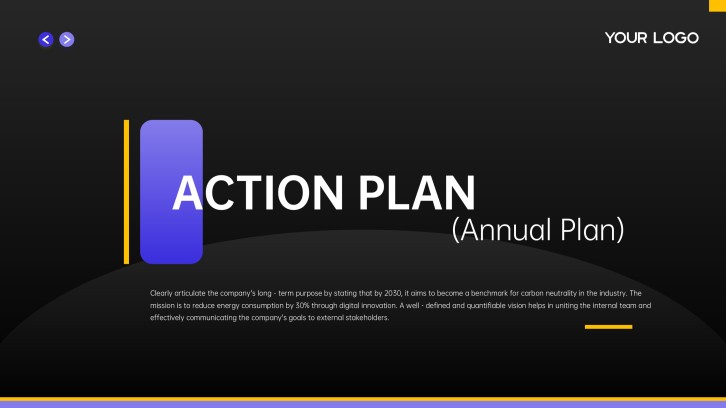
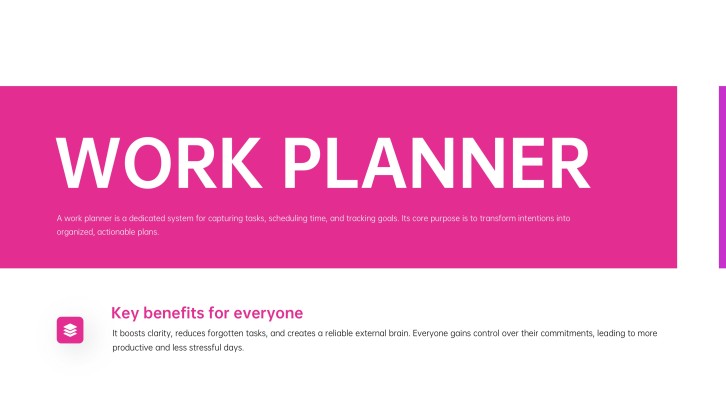
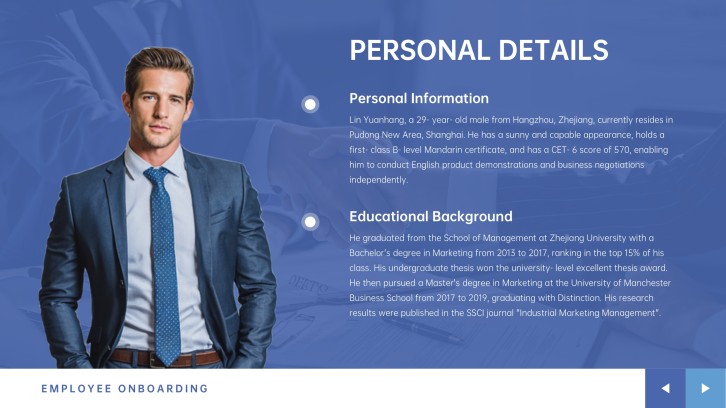
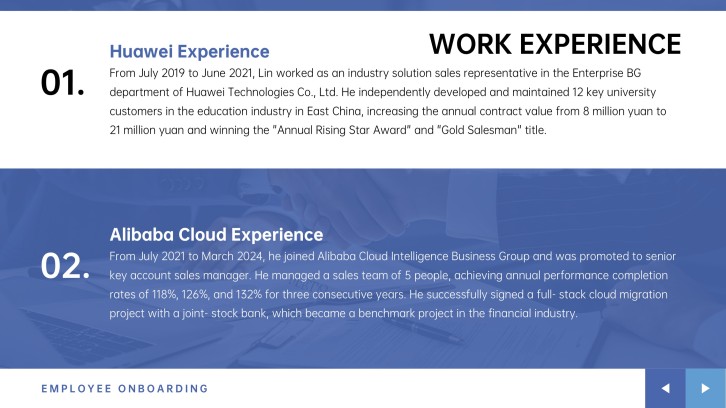
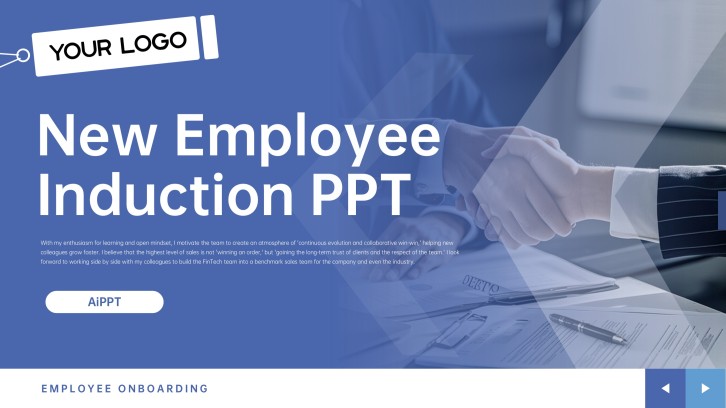
New Employee Induction Presentation
Phased onboarding slide flow
AI-assisted milestone copy
Editable workplace templates
Export to PowerPoint

Related employee onboarding presentation resources

How to create a 30 60 90 day onboarding plan

  1. Define the new hire's role, audience, responsibilities, and 90-day success outcome.
  2. Divide learning, contribution, and ownership goals across the three monthly phases.
  3. Generate a first draft with AI or select an onboarding plan template.
  4. Add role-specific tasks, owners, deadlines, check-ins, and measurable success criteria.
  5. Review the plan with the manager and new hire, then export the deck.

Example sections in your 30 60 90 day onboarding plan

  • Role context and first-90-days outcome
  • Days 1-30 learning priorities
  • Days 31-60 contribution milestones
  • Days 61-90 ownership goals
  • Manager check-ins and success measures

Choose your 30 60 90 day onboarding plan format

30 60 90 Day Plan for a New Sales Employee

Applicable to:

Account executivesSales development repsTerritory managers

Build a sales ramp deck around product learning, pipeline activity, customer meetings, and revenue milestones.

30 60 90 Day Plan for a New Manager

Applicable to:

Team leadsDepartment managersFirst-time managers

Plan stakeholder listening, team assessment, early improvements, leadership routines, and measurable 90-day outcomes.

Remote New Employee Onboarding Plan

Applicable to:

Distributed teamsHybrid employeesRemote-first companies

Coordinate virtual introductions, system access, asynchronous learning, communication norms, check-ins, and independent work milestones.

30 60 90 Day Plan for a New Job

Applicable to:

New professionalsInternal transfersCareer changers

Present a personal ramp strategy covering role learning, relationship building, early wins, and growing ownership.

Example 30 60 90 day onboarding plan

What makes a 30 60 90 day onboarding plan effective

  • Each phase advances clearly from learning to contribution and independent ownership.
  • Goals connect directly to the employee's role, team, customers, and business priorities.
  • Every milestone has observable evidence, an owner, and a scheduled manager check-in.
  • The plan remains adjustable as the new hire gains context and receives feedback.

Common mistakes

  • Filling the deck with generic orientation tasks that do not define role success.
  • Assigning ambitious outcomes before the employee receives access, context, or training.
  • Measuring activity alone instead of knowledge, contribution, quality, and increasing autonomy.
  • Treating the plan as a one-time document instead of a shared review tool.

Frequently Asked Questions

A 30 60 90 day onboarding plan is a phased roadmap for a new employee's first three months. It defines what the employee should learn, contribute, and own, along with milestone reviews and success measures.
Days 1-30 should emphasize orientation, relationships, systems, and role knowledge. Days 31-60 should move into guided contribution, while Days 61-90 should establish greater independence, measurable results, and a next-quarter plan.
The manager should define role outcomes and business priorities, while HR supplies a consistent framework and required onboarding activities. The new hire should review and refine the plan with the manager as real context emerges.
Attach observable evidence to every milestone, such as completing training, leading a meeting, delivering an analysis, or owning a workflow. Include due dates, quality expectations, and the person who will review each outcome.
Use one repeatable structure, but customize the content for role level, department, work environment, and expected outcomes. A sales hire, manager, engineer, and remote employee will need different tasks, relationships, and success criteria.
AI can turn role context, priorities, and milestones into a structured presentation draft. With AiPPT, you can begin from a prompt or template, then review and edit every phase before sharing it with the manager and new hire.
AI Presentation Maker

Generate your 30 60 90 day onboarding plan now

Turn your role requirements and first-90-days goals into a clear onboarding presentation with AI.