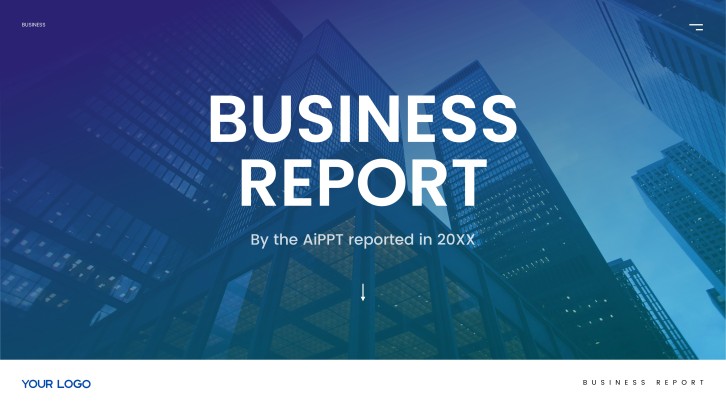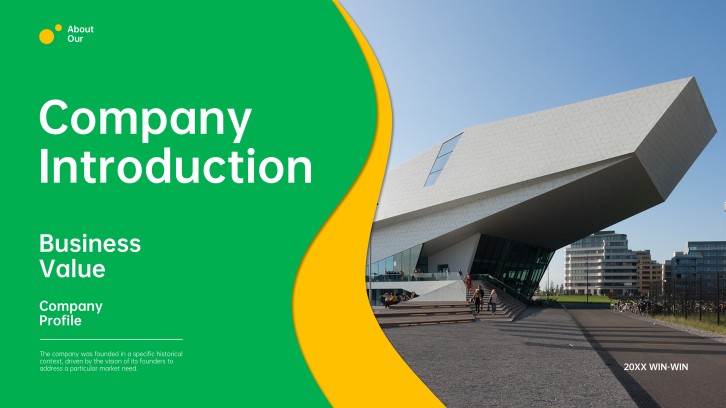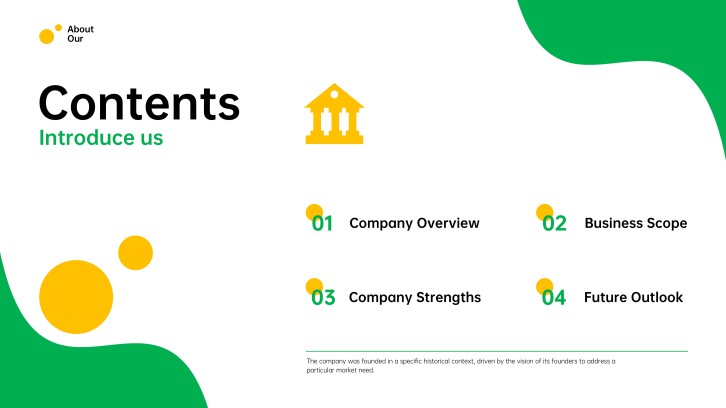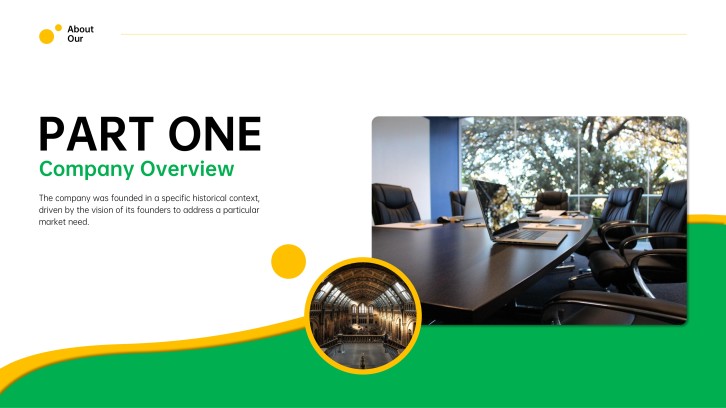
It takes more than designing clean slides to create a corporate deck that can truly convince any audience. Your slides might look really great, but still fail to fulfill the intent of your presentation.
Many times, this happens because presentations focus too much on describing the business or initiative rather than building trust with the audience.
Are you experiencing a similar situation? This guide will show you how to fix the gap.
Beyond examples and templates, you’ll learn how a strong credentials deck works, what makes it effective, and how to structure one that wins the confidence of clients and stakeholders.
What is a Corporate Deck and Why It’s Important
Basically, a corporate deck is a structured presentation that introduces a company, its value, and its credibility to potential clients or partners. Sometimes referred to as a company deck or credentials deck, it shows who you are, what you do, who you’ve worked with, and why you’re the right fit.
Unlike a pitch deck or proposal, which is focused on closing a deal or raising funds, a corporate deck is more about building trust and providing credibility.
In essence, a pitch deck sells the idea, while a corporate deck proves why your company should be trusted in the first place.
Corporate decks are used in first client meetings, partnership proposals, or even pre-sales conversations. Several businesses send their decks before discussions happen, so it often makes the first impression.
If it doesn’t convey credibility quickly, your company may lose the opportunity before sending the official proposal.
Key Elements of a High-Impact Corporate Deck
An invaluable tip when building a creds deck is to include elements that demonstrate to stakeholders they can trust the company.
Most decision-makers won’t read your deck thoroughly. Instead, they scan for these signals of trust:
| Element | Importance |
|---|---|
| 1. Clear positioning | Helps the reader quickly understand what you do and who you serve |
| 2. Proof (case studies, clients & results) | Builds credibility through real evidence that you’ve been trusted before. Even better when there are recognizable names |
| 3. Clean structure | Makes the deck easy to follow |
| 4. Team overview | Shows the human side of the company with relevant credentials to build personal trust |
How to Make a Corporate Deck Step by Step
Now that you know what a corporate deck means, it’s time to create one for your company too. Let’s walk you through the quick process.
Step 1: Define Your Goal and Audience
You should be clear on who will be reading the deck and what you want them to feel or do after. A company deck built for a potential retail client should look different from one targeting a tech company.
Step 2: Build Your Core Message
In one clear sentence, state what your company does. Also, ensure that everything in the deck supports this message.
Step 3: Choose Your Slides
Include the company overview, the problem you solve, your services, proof, your team, and a call to action. Six to ten slides are usually enough.
Step 4: Back it with proof
Replace broad claims like “We’re the best in the industry” with real examples like “We reduced client onboarding time by 40% in three months”.
Step 5: Design the deck to be scannable
Use clean fonts, consistent colors, and lots of white space. In addition, visuals should support the text, not compete with it.
Corporate Deck Examples and Templates
Take your time to explore some real-world examples of corporate decks and templates that work best for them.
Example 1: Agency Credentials Deck
An agency creds deck is commonly used by marketing or creative agencies. It usually opens with the work of the agency, not the backstory, establishing what they do and who they serve.
It focuses on proof such as client logos, campaign results, and brief case studies that show real impact. In essence, the main goal of the deck is to prove capability as quickly as possible.
This format works because it banks on what stakeholders want — results and proof of it, not just promises. Instead of saying “we deliver…”, the deck shows a brand name alongside a clear outcome such as “We increased organic traffic by 120% in six months”.

🔥 Recommended AiPPT.com Template: Free Red SEO Agency Brand Guidelines PPT Template
Example 2: Startup Corporate Deck
For startups, decks are used to balance storytelling with traction. In many cases, there’s little to no proof of previous clients or case studies. This is why startup corporate decks usually begin with a vision.
The vision presents itself as a problem that needs to be solved, followed by a market opportunity or the solution you already have in place.
Some startups may back their corporate decks with early signals such as beta users, funding milestones, pilot results, partnerships, and press coverage.
The blend of emotion with data gives investors or partners a reason to believe in both the idea and the execution.

🔥 Recommended AiPPT.com Template: Free Blue AI Tech Product Brand Guidelines Template
Example 3: Consulting/B2B Deck
This kind of corporate deck is more structured and logic-driven. The reader is often a senior stakeholder who wants to quickly assess whether your company understands their situation and knows how to navigate it.
It begins with the challenges of clients, followed by solutions, methodology, outcomes, and team credentials.
In a consulting deck, the clarity of structure is what makes it effective. It removes confusion and helps clients or potential clients quickly see how you will solve their problems.

🔥 Recommended AiPPT.com Template: Free Black Ecommerce Brand Guidelines PowerPoint Template
Common Company Deck Mistakes to Avoid
Do your decks still fail to convince stakeholders of your company’s credibility? You’re probably making one of these mistakes.
- Too much information: Overloading your slides with unnecessary information will confuse the reader or audience. Instead, keep only details that support your message.
- No clear storyline: A company deck needs a beginning, middle, and end. If your slides can be shuffled without losing meaning, you don’t have a story yet.
- Saying “we’re the best” without proof: Back all of your claims with a real example, number, or result. This will help build trust.
- Slides that look nice but lack substance: While visual appeal is important, keep it as clear as possible so stakeholders can easily understand it.
Conclusion
A well-built corporate deck can influence business decisions even before an official conversation begins. It can significantly improve how a person or company feels about working with you.
However, you should always start by focusing on structure before design, as this is the first thing stakeholders look at. If you’re making claims, remember to support them with proof.
Ready to build yours? Check out AiPPT’s corporate deck templates and customize them to suit your brand and goals.
FAQs on Credentials Deck
Want to explore more about building a credentials deck for your company? Let’s go through some tips together.
1. What does deck mean in business?
In business, a deck is a structured presentation used to describe or tell a story about a company, product, or proposal. A credentials deck specifically focuses on showcasing credibility, experience, and past results.
Its purpose is to help businesses introduce themselves in a professional way and build trust before deeper conversations begin.
2. What are the key elements of a credentials deck?
The key elements of a credentials deck are:
- Clear positioning
- Proof of results
- Past clients
- Case studies
- Services
- Simple structure
These elements help build trust quickly by showing that the company is reliable and capable of delivering results in real-world situations.
3. How to prepare a company deck?
Here’s a step-by-step guide to creating a company deck:
- Define your goal and audience
- Build your core message
- Choose your slides
- Back it with proof
- Choose a clean template on AiPPT
- End with a clear call to action